


ELLA BARON
ANOTHER WORLD
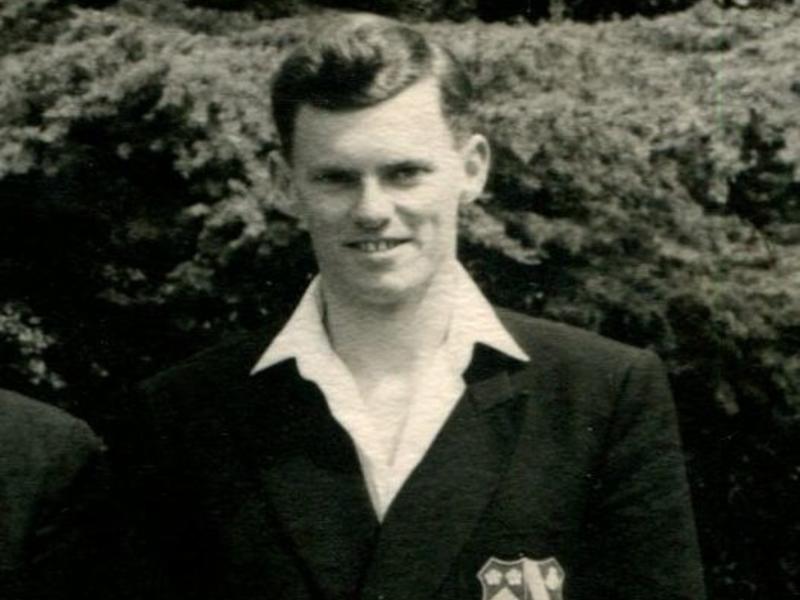
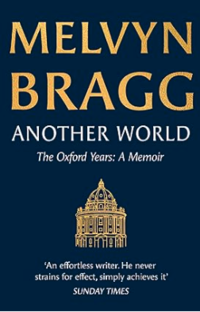
The latest book by my illustrious fellow Wadhamite Melvyn Bragg – Another World: The Oxford Years – is an easy read as befits an accomplished author. More of a surprise is how much he and I have in common. Granted these do not include fame, wealth, charm, good looks or attractiveness to women. Sadly, I’m not a competitor – not even an also ran.
A schoolfriend emailed: 'There's always room for the other side of the story – those for whom Wadham was the gateway to success and those for whom it wasn't!'
But there are parallels. He was born in Carlisle, but brought up in the small market town of Wigton (population 6,000) in Cumberland. I was born and brought up in Tavistock, a small market town (population then 6,000, expanded since) in Devon.
Our roots were solidly working class. All were manual labourers of one sort or another until his dad took a step up to become a pub manager, mine a carpenter working on building sites all his life. Mum was a domestic servant until her marriage.
Our parents left school at the minimum leaving age, my dad just 12, the others 14.
We both went to the local Grammar School thanks to the far-sighted 1944 Education Act which abolished fees and widened entry. Mum had passed the entry exam for the Grammar School, but the costs were beyond her parents, so she couldn’t go.
A precursor of things to come: Bragg was Head Boy, I wasn’t considered!
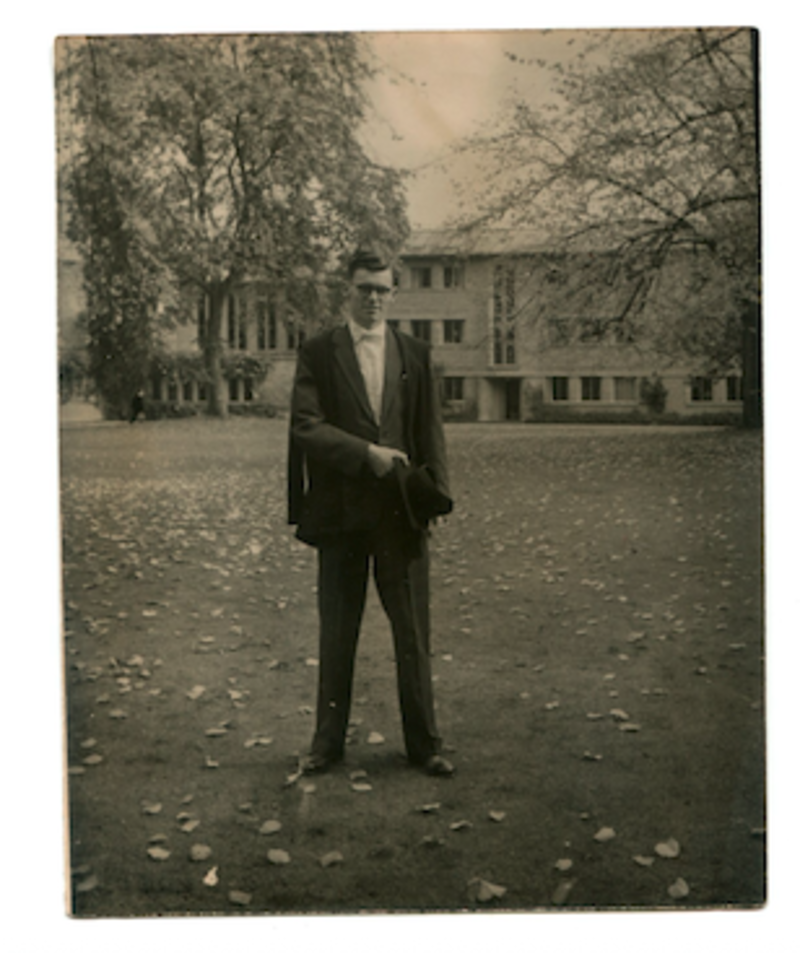
But we both did pass the entrance exams for entry to Wadham College and were briefly contemporaries there. I don’t know how much Bragg knew about Oxford. I knew nothing except that Balliol had an excellent record in providing Prime Ministers – which seemed like a good job to me!
Bragg, two years older than me, matriculated to Wadham in 1958, I in 1960. We both studied Modern History. He was in his third and final year when I was in my first.
Though there were only 300-odd male undergrads at Wadham at the time, I never knowingly met him – perhaps good fortune on his part!
Clearly, we didn’t move in the same circles. Partly because he had decided at the outset to eschew sports – ‘rugby took too much time’ – whereas I had a go at them all, even rugby for which I was too thin to be any good. Friendships were formed across academic disciplines rather than through them. I don’t recall knowing anyone else studying History, apart from the eight in my year.
As someone who can’t remember why I went upstairs, I find his extremely detailed recall of events astonishing. Even a diary would surely not be that detailed. I assume a lot of poetic licence.
For myself, I have long since accepted that memory is fallible and that some of my best memories might never have actually happened!
Bragg's memory may well be better than mine, but he writes of male undergrads wearing a near-enough uniform ‘of sports jacket, cavalry twill trousers, brogues and school or college ties’. News to me. Not in my circles where blue jeans and sweaters were commonplace.
I do not share Bragg’s somewhat idealistic view of the working class in general or its part in the Industrial Revolution (his analysis excluding the critical importance of the inventors, innovators, entrepreneurs and capitalists), but the biggest surprise to me was the lack of any mention of History tutor, Pat Thompson – not a single word. There were two History tutors at Wadham: Pat Thompson and Lawrence Stone. Both had served in WW2. Pat was a paratrooper who was wounded in Normandy in 1944 and transferred to GCHQ, Bletchley Park; Lawrence a submariner – although I knew none of that at the time.
I saw far more of Pat than Lawrence. Possibly because my chosen subjects were more in Pat’s field. I have the warmest memories of him. He was avuncular, approachable and even lent me the money for my train fare home at the end of one term. I maintained contact with him afterwards visiting him at his home with my wife and son.
Bragg had similarly warm memories of Lawrence. He refers to him several times, describing him as his ‘principal tutor’. In my limited contact with Lawrence, I found him a little aloof.
Bragg wrote: ‘I experienced little sense of inferiority in Wadham itself. It was not an issue there – although it may have been in other colleges.’ The last point may be valid. I have been blessed with plenty of self-confidence – perhaps too well blessed – but I never experienced any feeling of inferiority at all, not even at the Union where Bragg felt somewhat ill at ease. Why would I? I’d gained my place in open competition with others via the Oxford entry exams run by groups of colleges. I knew I could cope with the work and never felt remotely out of place.
Bragg was ambivalent about Oxford. ‘I thought I may have done the wrong thing.’ ‘My mood hovered between excited and apprehensive. A suspicion this was all a mistake.’ Early on he felt homesick – I never did. He had a strong and steady relationship with a girl in Wigton and that might well have proved an emotional problem. I had no steady girlfriend – not even an unsteady one!
A female graduate told Oxford Today the advice she’d been given by a female don at her women’s college: ‘The second year is for taking as many lovers as possible.’ Neither Pat nor Lawrence saw fit to give me this advice and I scored a duck (sadly, also true of my first and third years). Wadham declined my request for appropriate compensation!
Like me, Bragg made his way to Wadham by rail. In my case out of necessity as my parents didn’t own a car. No taxi from the station for either of us despite heavy luggage, including football boots and hockey stick – a cost to be avoided even on a full student’s grant.
Bragg does not mention drugs and I didn’t know anyone who took them, but Oxford gave us our first brush with homosexuality – illegal then. No doubt there were homosexuals in Tavistock, but I didn't know of – let alone know – any. At dinner in Hall one night all other chat was stilled on our table as we listened to two men, both of whom had done National Service (one wondered how they’d got on), discussing their respective ‘teddy bears’!
As Bragg says, ‘in Oxford you were left largely to your own devices – to the strength of your character – when it came to study.’ We were not lazy, but attendance at lectures was not compulsory and Bragg, like me, quickly decided our time was better spent reading books.
Bragg’s Finals exams were taken from a hospital bed whilst suffering from glandular fever. Despite that, he got a ‘very good second class degree’, according to Lawrence (not split into 2:1 and 2:2 then). But for illness would he have got a First? Probably not. He refers more than once to ‘only 10 out of over 300 History undergrads getting Firsts’.
Mine was described by Pat as ‘safe as houses’, so perhaps below Bragg’s level. Only 5% were awarded Firsts in History in the early 1960s, a tiny fraction of the c.40% given Firsts today. The chorus of those saying this is the result of better teaching and students working harder leaves at least one of us entirely unconvinced that grade inflation is not the major factor.
We were undoubtedly lucky with our College. There were many young men from direct grant or lesser known public schools, but Wadham didn’t attract – or perhaps chose not to admit – students from elite schools like Eton, Harrow and Winchester. Despite – or perhaps because of this – Wadham was consistently in the top five or six Colleges in terms of Finals results.
I regard getting to Oxford and holding my own as one of my prime achievements. It was not planned or anticipated (by anybody!), but quite unexpected. I had no sponsor, wasn’t coached in what to say or do. But Pat and Lawrence must have spotted some promise despite the rough edges – and I didn’t let them down.
move to carousel movement controls
 Pause slideshow
move to carousel content
Pause slideshow
move to carousel content

THE IMPORTANCE OF VACCINE ADVOCACY
THE IMPORTANCE OF VACCINE ADVOCACY

SILICON VALLEY CAREER TALK
SILICON VALLEY CAREER TALK

DEGREES WORTH IT AFTER ALL
DEGREES WORTH IT AFTER ALL

OFF THE SHELF: AUGUST 2026
OFF THE SHELF: AUGUST 2026
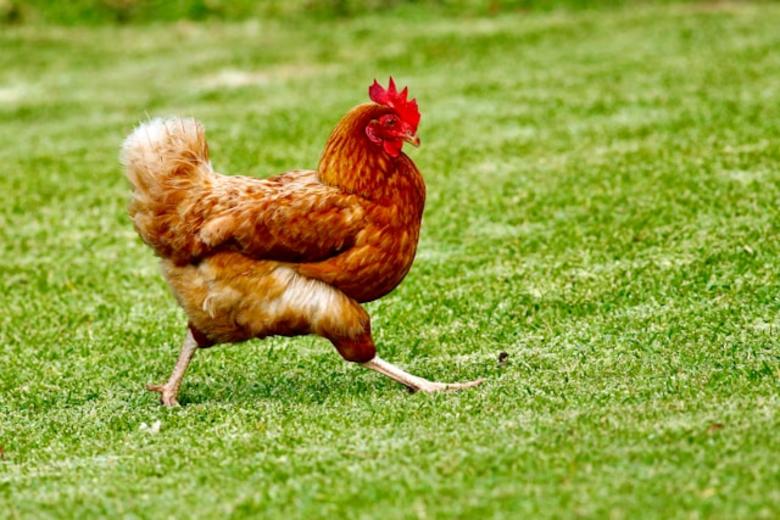
THE RISE OF BACTERIAL RESISTANCE FROM POULTRY FARMS
THE RISE OF BACTERIAL RESISTANCE FROM POULTRY FARMS

NATURAL HISTORY AT OXFORD REVAMPED
NATURAL HISTORY AT OXFORD REVAMPED

OFF THE SHELF: JULY 2026
OFF THE SHELF: JULY 2026

MALACHI MCINTOSH
MALACHI MCINTOSH
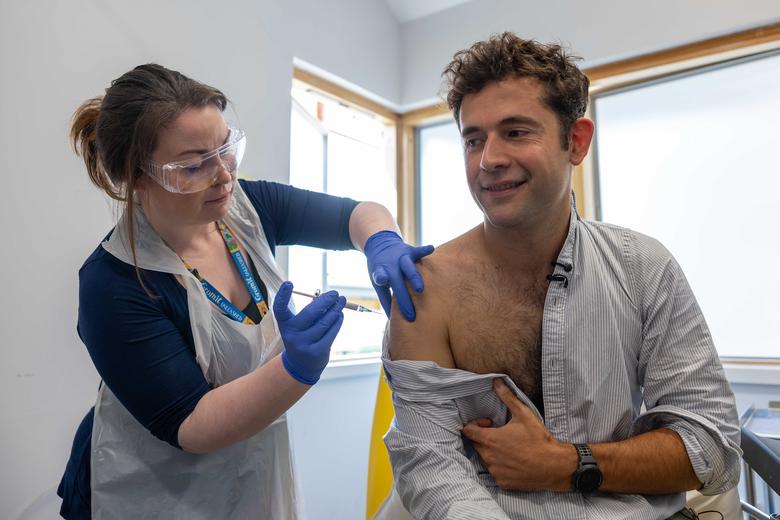
EBOLA: FIRST VACCINATION
EBOLA: FIRST VACCINATION
GRAPPLING WITH THE GHOSTS OF CARIBBEAN COLONIALISM
GRAPPLING WITH THE GHOSTS OF CARIBBEAN COLONIALISM
ADAM SMITH
ADAM SMITH
Pause slideshow

